Cata Strato

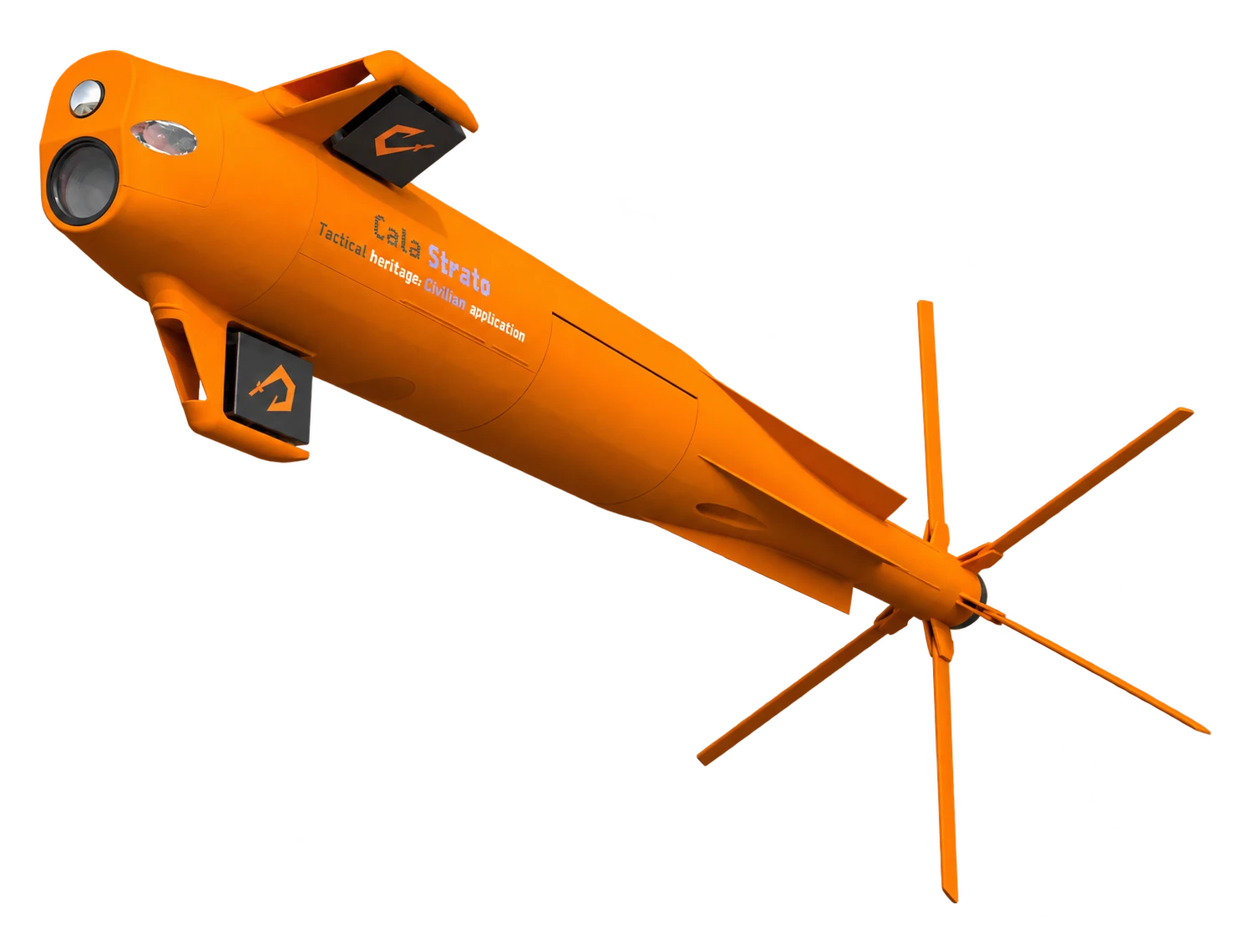
Cata Strato is a project aimed at making rocketry more accessible as a solution to emerging challenges. Right now the company is in its ESA BIC incubation phase. The expectation is that as the project matures, the company will gradually roll out both commercially available rockets as well as the modular tech behind it at a reasonable and affordable price. The goal of Cata Strato is not to offer the best performing rocketry solutions, it is simply to democratize and make rocketry available as a solution to different fields at a cost that is not in the millions or hundreds of thousands.

Cata Strato strives to offer both rocket models that can be adapted to different use cases usually reserved by drones, as well as the same tech that drives its rockets as modular packages to be used in broader applications such as other ground, maritime or other robotics.

One key issue in broader adoption of rockets as practical solutions has also been the availability of rocket motors and the legislation around them. Cata Strato has already made progress and hopes to become a leading figure and a guide on how to navigate that landscape without it being overwhelming.

Besides affordability we also focus on environmental awareness so that our complete tech stack in a rocket/UAV can guarantee the safety of other operating vehicles around. We also focus on redundancy to make sure our stack is safe to use over populated areas. For more keep scrolling the page or find our contact below.

Mass producible

Standard sheet metal construction

Volume-ready

No exotic tooling required

Cost-scalable

Price drops with quantity

Field-proven components

Smartphone-grade electronics

Modular payload bay

Rapid mission reconfiguration

Bullfrog Platform

Bullfrog is our answer to truly keeping production costs low at scale. The platform is built almost entirely from sheet metal, avoiding specialized parts that require exotic production methods. All non-sheet-metal components are designed to keep pace with standard sheet metal production rates. This means most sheet metal manufacturers could produce Bullfrog platforms without specialized equipment – perfect for bulk orders.

The modular platform allows for easy integration of custom customer gear. Pricing depends primarily on desired range and speed. We currently offer variants ranging from 2-6 km. We recommend keeping speeds subsonic, as this keeps all other construction-related costs low and maintains the platform’s affordability advantage.

Small-batch friendly

Non labor intense manufacturing

Customer-customizable

3D Print your own sections

Performance-optimized

Streamlined advanced geometry

Field-proven components

Smartphone-grade electronics

Modular architecture

Easy mission adaptation

Hornet Platform

The Hornet is our answer to keeping prices low at smaller production volumes. If the Bullfrog was constrained by production volume requirements to avoid exotic parts, then the Hornet is the opposite. Here performance and advanced solutions matter! We’ve gone all-in with 3D printing.

The platform is still modular, making it easy to add or remove sections. It’s also the most customer-friendly option for those getting started with us and testing fit with their equipment, as 3D printing has become a universal prototyping language. Customers can easily print their own sections, and we can keep prices down by having the printer do most of the work instead of us. Less labor intensive, great for prototyping, and it outperforms the sheet metal platform!

The only downside is volume – printers can’t keep up with sheet metal brakes.

Things That You Might Ask

What is the rocket about?

Democratizing rocketry for various applications and making it affordable!

How can you afford it?

We’re an experienced lean startup team and we believe that the tech – with all its development costs – has broadly already been paid for and is just sitting there waiting for someone to package it! Right now big industries are still trying to cover large corporate costs with this tech as if it were still a super novel invention that demanded huge markups.

Does that mean you add no value besides packaging it?

Most of the parts and tech come from the automotive and consumer electronics industries. However, crucial components either don’t exist or aren’t suitable for rocketry applications, so we still pack some secret sauce to make all of this work.

Do you have any patents for your secret sauce?

Work in progress – exciting developments going on here. Will update this section soon 😉

Who are the people involved?

The core team is 4 people, the wider team is 10+ experts who mentor and validate our work. We don’t publicly showcase our team as we live in a geopolitically complicated spot where our team might be targeted due to narrow use cases that might upset some larger neighbors.

Are these rockets weapons?

Not more than a Toyota Hilux. That being said, the Hilux is popular amongst militias who mount guns in the back of it – similar potential exists here. A lot of machinery can be used in bad faith. We may offer a variant that is defense and drone-retrieval focused. However, by our region’s laws, neither the base model nor drone-retrieval variant are considered weapons. That may vary region to region – check your local laws. Our goal is to promote peaceful rocketry. If we do engage in defense applications, it will be completely lawful and not promoted under the Cata Strato public page. We also verify customer eligibility based on their location and local regulations.

When can I actually buy one?

Right now we’re still in the early testing phase. We hope to have an offering by the end of the year. When available, it will be evident on the website. We’ll also provide a simple list showing which models are legal to fly in different countries and under what terms.

What are the actual use cases?

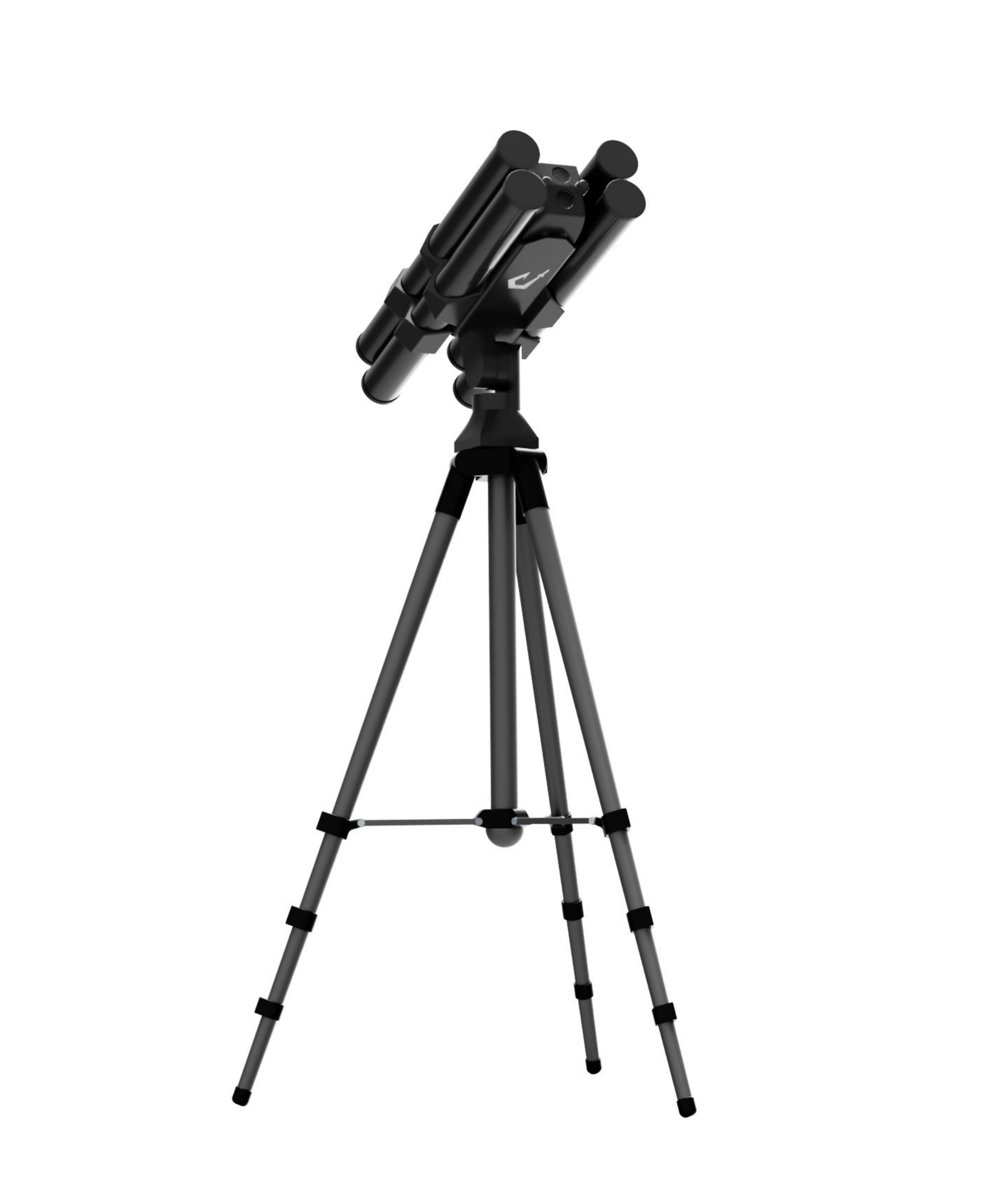
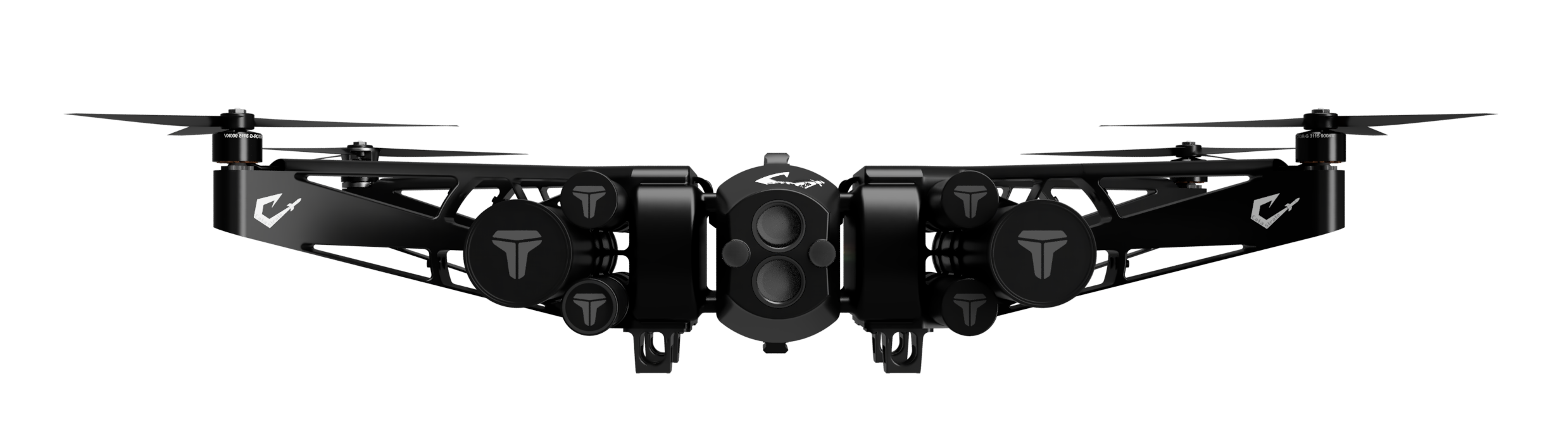
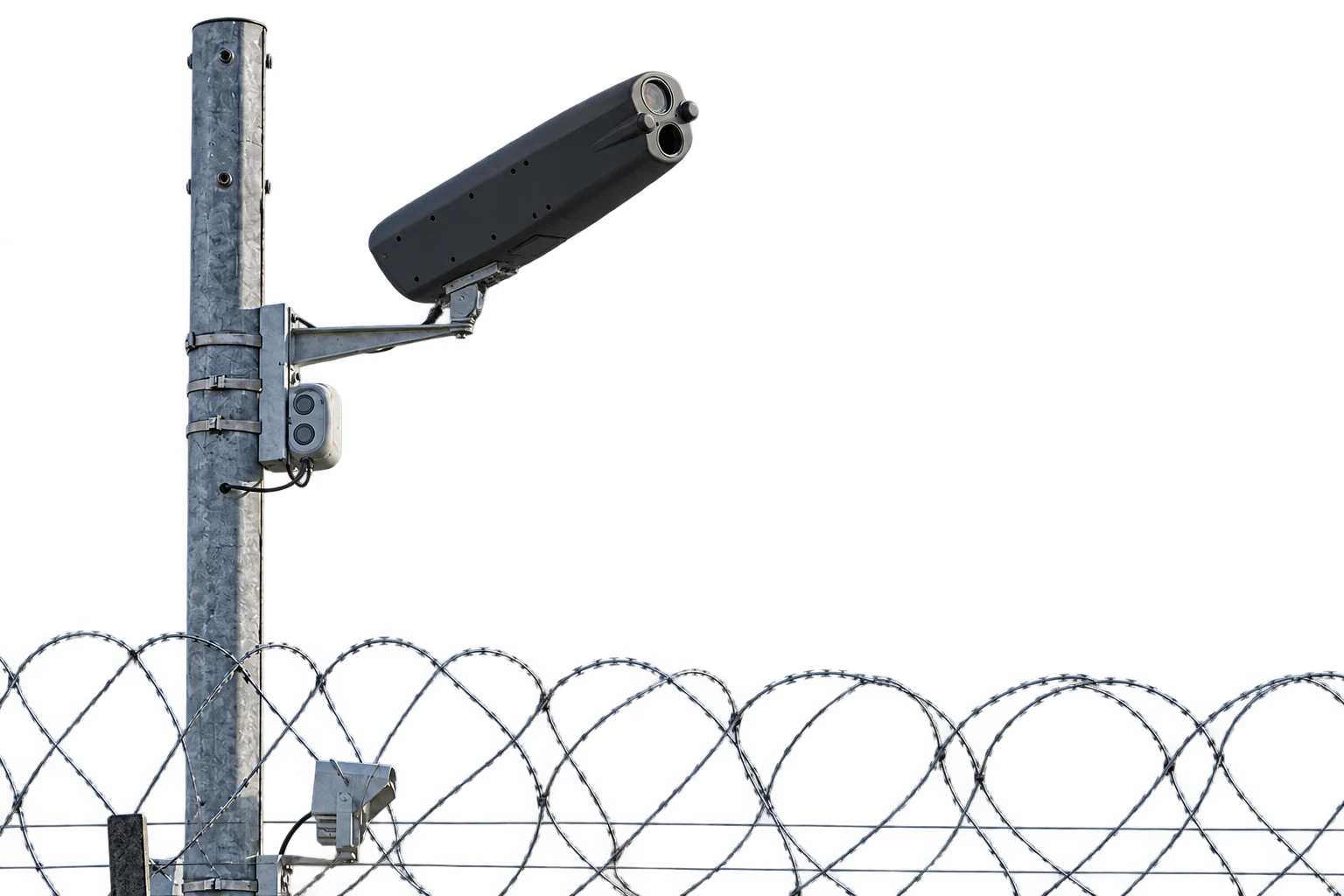
We see our rockets being useful for grounding invasive drones around critical infrastructure. We’re also working with different B2B sectors where our product can improve results, such as maritime safety and search and rescue. Amateur rocketeers and businesses alike can benefit from our modular tech, which we also hope to make available separately. B2B validation and legal compliance will be easier than with amateur use, but we’re hoping to find ways to make both happen.

Do I need special licenses or permits to operate these?

That depends on where you live and which model you choose. Different features – guidance, active stabilization, collision avoidance – fall under different laws and regulations. For example, in the EU you could fly some models under A3 category or find local exclusive hobby zones where more options are available. Similar solutions exist in most places, though some are more restrictive than others. These might not qualify for most Tripoli launches but may qualify for local aviator clubs that have similar permissions to Tripoli and other rocketry associations.

How hard is it to fly? Do I need training?

That depends on local legislation. From a pure skill perspective, we don’t want anyone jumping in without experience. We encourage people interested in our products to get acquainted with flying drones and hobby rockets first. For B2B solutions, we also offer case-specific training.

What about insurance and liability?

It would be smart to fly in an insured hobby area or, as a business, to have insurance for your flights. However, requirements vary depending on where you live.

How is this different from just using a drone?

It isn’t all that different – the engine makes it more exotic. We might offer hybrid models in the future, which would blur the line completely. The key difference is that rockets use a solid, hybrid or liquid fuel motor that makes the product more capable in certain scenarios, but also more complicated. As always, it’s a question of tradeoffs.

What about environmental impact? How do you recover them?

We have a redundant built-in parachute recovery system with an extensive array of triggering conditions for safety.

What payload capacity do they have?

Currently we offer 1kg payload capacity in a space of 18cm × 10cm diameter, with USB ports for powering and programming the payload for different purposes.

How does your collision avoidance work?

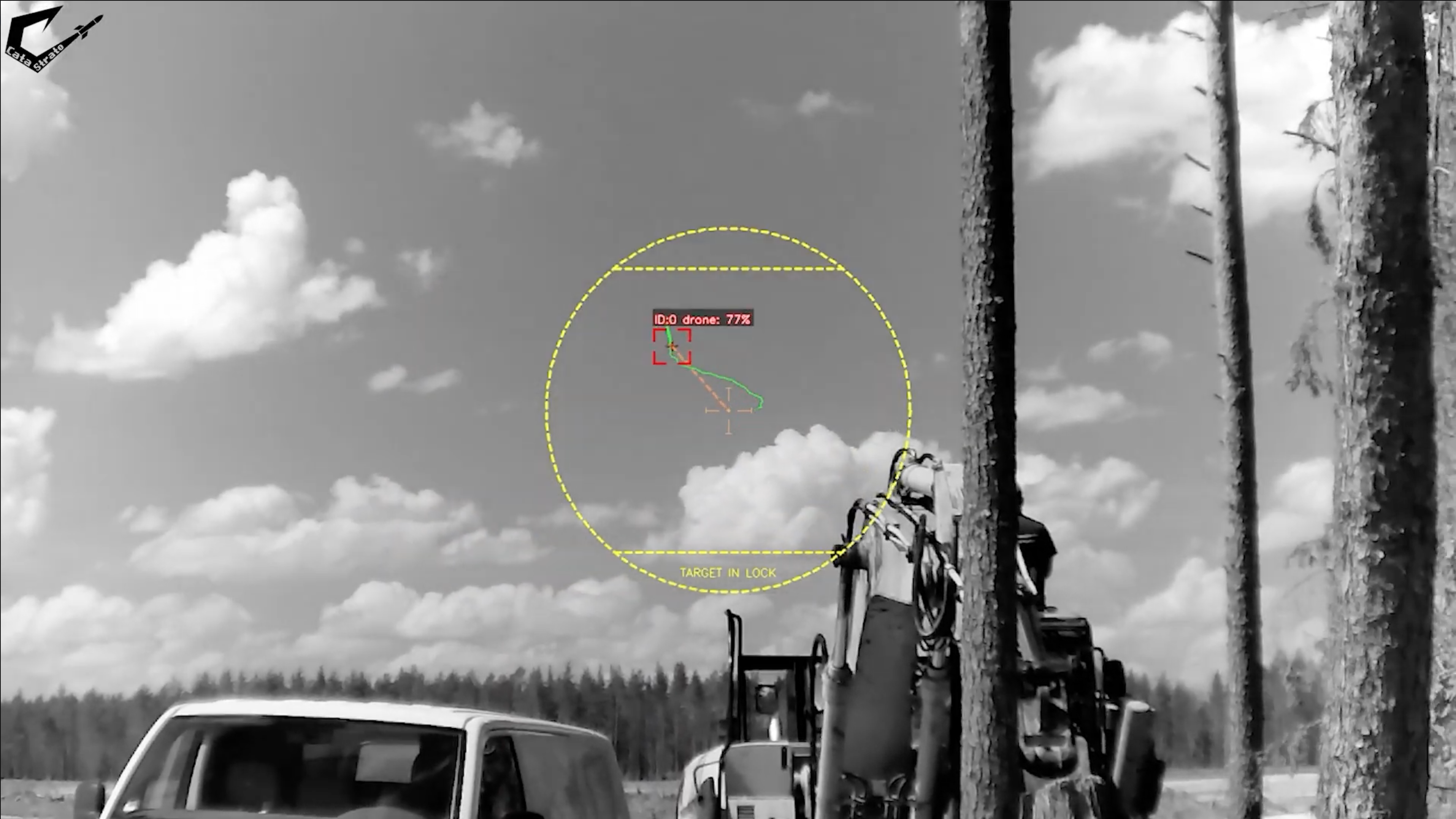
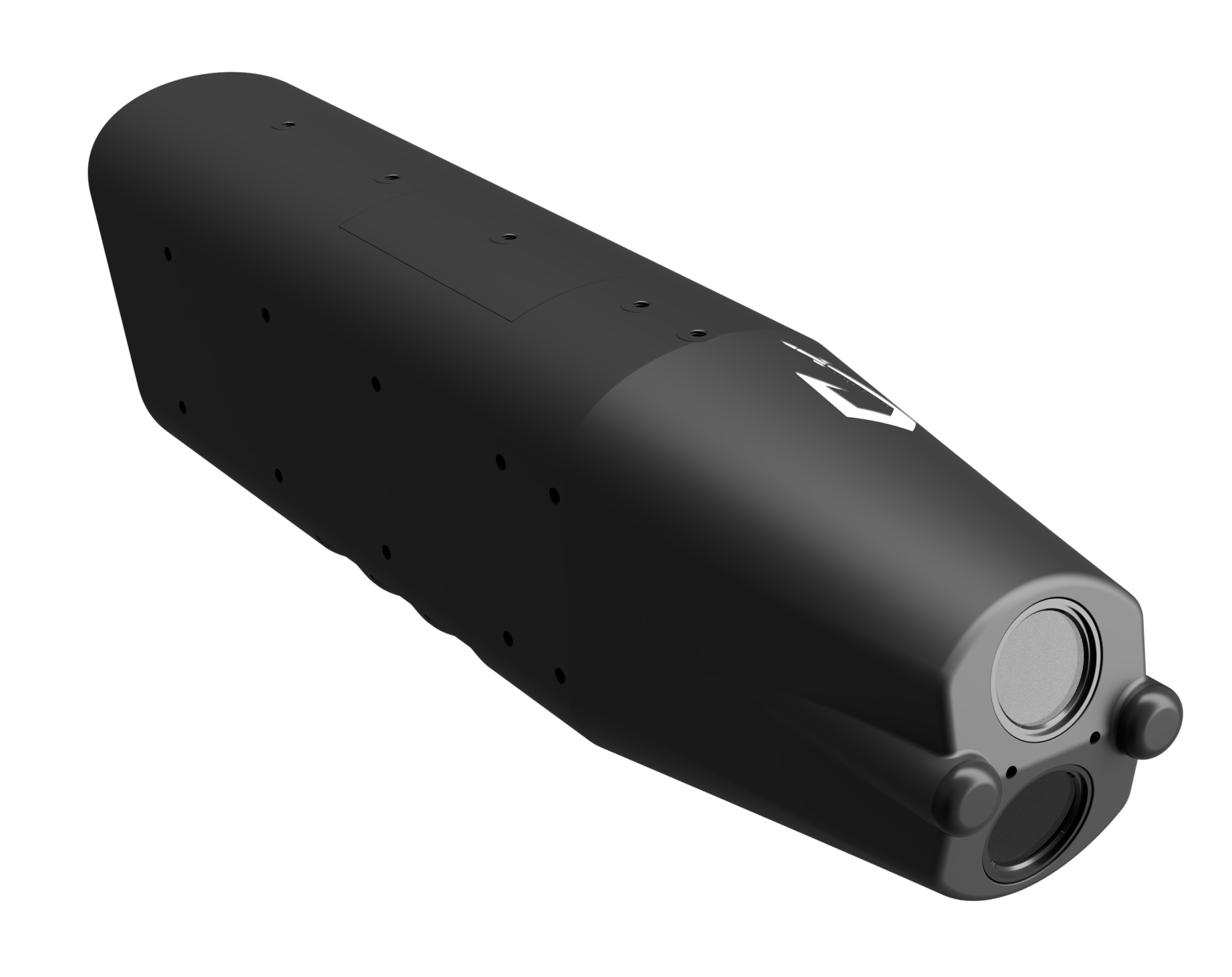
We have a vision system in the nose of the rocket that recognizes objects that aren’t sky (in layman’s terms) and then avoids them. This is essential for broader use as we need to prove to various transport agencies that this is in fact safe to operate.

What about maintenance and support?

We’ll be supporting our products and communicating in good faith. We hope that besides refueling, there won’t be any other significant costs in the short run for the customer.